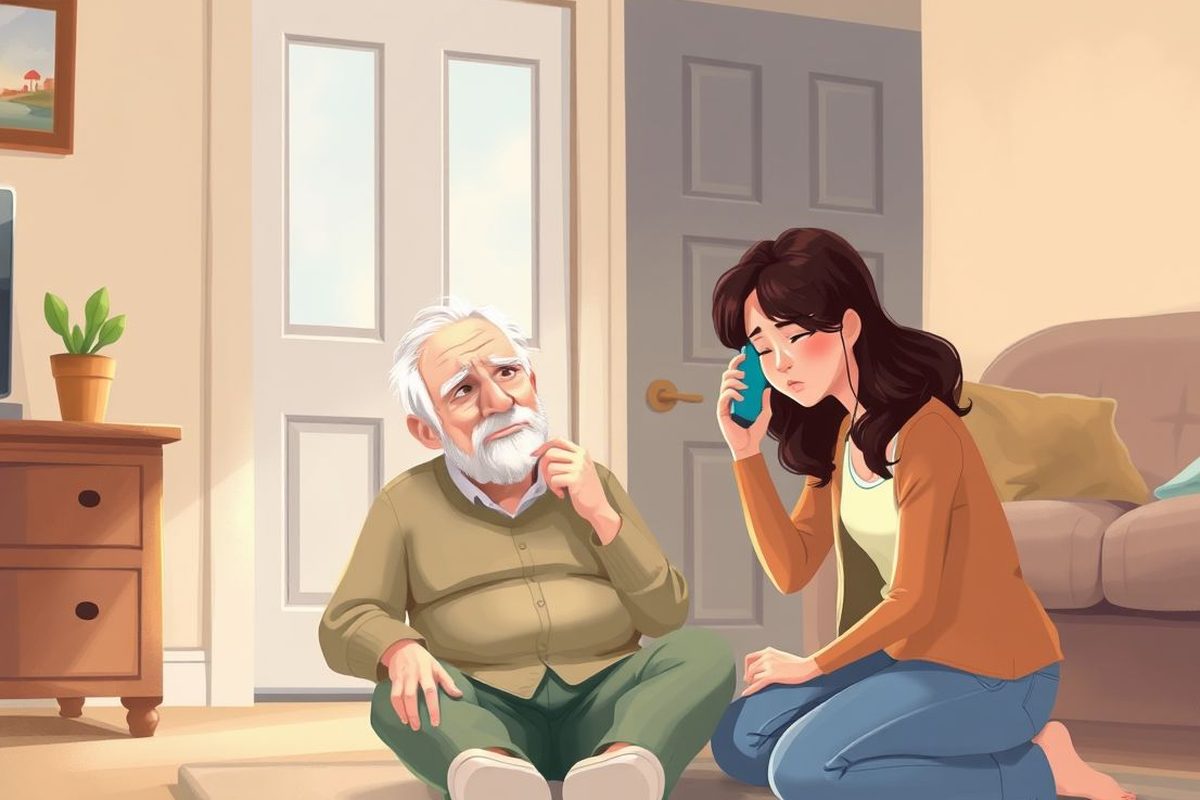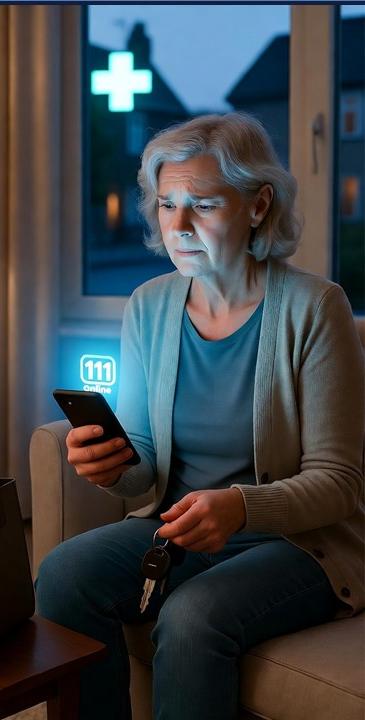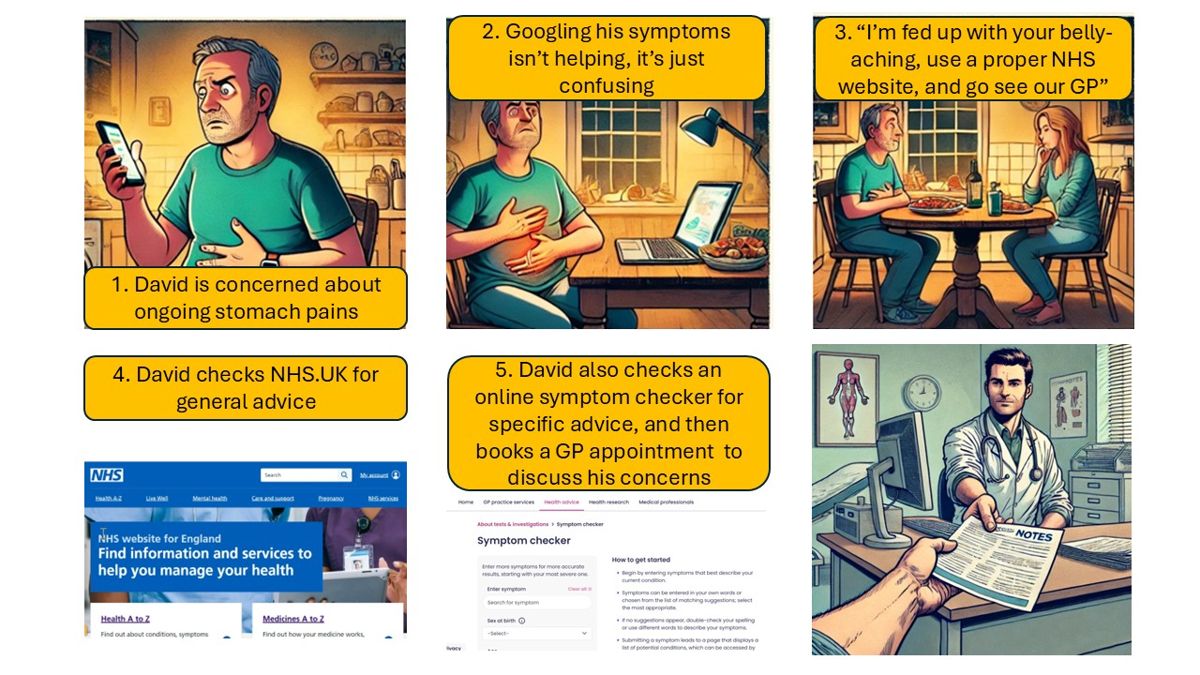
If you feel unwell and need help now, the NHS’s own symptom checker is NHS 111 online. It is free and links to real NHS services near you. Other symptom checker apps and AI chatbots can help you think about what might be wrong, but they can get it wrong. Never use any of them instead of calling 999 in an emergency.
NHS 111 online: the NHS’s own tool
NHS 111 online is at 111.nhs.uk and in the NHS App. It covers England. It asks questions about your symptoms and then tells you where to get help. It does not diagnose you.
Depending on your answers, it might:
- tell you to call 999 or go to A&E
- arrange a call-back from a nurse
- send you to an urgent treatment centre, a pharmacy or an out-of-hours GP
- suggest you contact your GP practice
- give you advice on looking after yourself at home
It also has sections for dental, mental health and sexual health help, and for emergency prescriptions.
111 online is for people aged 5 and over. Call 111 instead for a child under 5, or if you have a complex condition, a care plan, or need end-of-life care.
How its questions are checked
111 online uses NHS Pathways, the same clinical system that NHS 111 call handlers and many 999 ambulance services use. NHS England says an independent group of medical royal colleges oversees the safety of where NHS Pathways sends people, and that its content is checked against guidance from bodies such as NICE and Resuscitation Council UK.
That doesn’t mean it is never wrong. But it is built and checked in a way most general apps are not.
If you live in Scotland, Wales or Northern Ireland
In Wales, use the symptom checkers on 111 Wales. In Scotland, contact NHS 24 on 111. In Northern Ireland, nidirect lists your GP out-of-hours service.
The NHS Health A to Z: for worries that are not urgent
If a symptom has been bothering you for a while but you do not need help today, the NHS Health A to Z is a good place to start. It lists health conditions alphabetically. Each condition page explains the symptoms, how it is treated, what you can do yourself and when to get help.
For example, if you have headaches:
- Go to the Health A to Z and choose H, then the page on headaches.
- Read the common causes and the things you can try yourself.
- Check the part of the page that says when to see a GP and when to get urgent help.
- If your symptoms match any of the urgent signs, follow that advice straight away.
Searching the NHS website gives you one clear, checked page rather than a long list of worrying search results.
Being better informed can help you look after yourself and have a more useful conversation with your GP practice. It is not a reason to put off getting help. If you are worried, or a page says to contact a professional, do.
What other symptom checker apps do
Many apps and websites let you type in your symptoms. They usually do one or both of these:
- Suggest possible causes: a list of conditions that might match.
- Suggest where to go: self-care, a pharmacy, a GP, or emergency care.
Some are run by private companies and may link to their own paid services. Unlike 111 online, most cannot send you to NHS services.
How accurate are they?
Research suggests symptom checkers are useful for some people but often wrong.
- A 2015 study in the BMJ tested 23 symptom checkers on 45 example patients. The right condition was listed first only about a third of the time (34%). It appeared somewhere in the top 20 in just over half of cases (58%).
- The same study found that advice on where to go was right 57% of the time overall. The tools were better with emergencies than with problems that only needed self-care. They tended to play safe and send people for care they didn’t need.
- An NIHR review of 27 studies, summarised in 2020, found symptom checkers were usually less accurate than health professionals. There was little good-quality evidence on whether they are safe, though no evidence they are unsafe.
- A 2022 study in BMJ Open looked at what happened after NHS 111 online was introduced. Calls to the 111 phone line did not measurably change. But the online service was linked with more advice to get urgent or emergency care, including calling 999.
Tools change, and none of these studies tested today’s versions. But they show why a symptom checker’s answer is only a starting point.
AI chatbots and health questions
Many people now ask general AI chatbots about their health. The MHRA, the UK regulator for medicines and medical devices, says nearly 1 in 10 people use them for health advice. It also says not all health AI tools count as medical devices, and it is looking at how to regulate them.
Chatbots can explain medical words or help you think of questions to ask. But they have real limits:
- They can be wrong. They can sound confident and still give wrong or made-up answers.
- They don’t know you. They can’t examine you, and they don’t have your medical history.
- They are not NHS services. A general chatbot can’t arrange care, and it isn’t checked like NHS 111.
- Think about your privacy. Be careful what personal health details you type in.
Never use a chatbot for urgent symptoms. If you need help now, use NHS 111 online or call 111. In an emergency, call 999.
How to use a symptom checker safely
- Check for red flags first. If someone has chest pain, can’t breathe, is unconscious, has signs of a stroke or is bleeding heavily, call 999. Don’t type it into an app.
- Use 111 online if you need help now. It is linked to NHS services and can arrange care.
- Answer honestly and fully. Include your age, your conditions and your medicines.
- Treat a list of conditions as ideas, not a diagnosis. Only a clinician can diagnose you.
- Don’t let a reassuring answer stop you getting help. If you still feel unwell, or get worse, contact a professional.
- Be careful with your data. Read the privacy policy of any app before you enter health details.
Talking to your GP about something you found online
It is fine to look things up, and many people do. Your GP practice team would rather you came in with questions than worried at home. These tips help the conversation go well:
- Lead with your symptoms. Say what you have noticed, when it started, and what makes it better or worse.
- Mention what you read, and why it worried you. For example: “I read that this can be a sign of something serious. Could you check?”
- Bring a short note. A few lines on your symptoms and your main worry is easier to share than a long printout.
- Ask questions. “What do you think is going on?” and “What should I look out for?” are good ones.
- Be open to a different answer. Online tools only know what you typed. Your GP can examine you, knows your history and can arrange tests.
- Agree what happens next. Ask when to come back if things don’t improve.
Making the most of your appointment
These tips help when a problem has been going on for a while:
- Ask for a longer appointment if you have several things to discuss. Appointments are short, and some practices ask you to raise one problem per appointment. When you book, say you have more than one problem or a long-running one, and ask whether a double appointment is possible.
- Ask to see the GP who knows you. Seeing the same GP each time helps with problems that have gone on for a while. You may have to wait longer for an appointment with a particular GP.
- Prepare a list. Note your symptoms, how long you have had them and any patterns, such as “worse at night”. Add the questions you want to ask.
- Expect a follow-up. Your GP may want tests, or a second appointment once they have had time to think things through.
Things you could say
Some people find it hard to raise what they have read online. These phrases may help:
- To introduce what you found: “While I was waiting for this appointment, I looked up my symptoms on the NHS website. It mentioned a couple of possibilities. Could we talk about whether they might apply to me?”
- If you are still worried: “I understand what we discussed last time, but my symptoms are still affecting me. I’m worried something else might be going on.”
- To agree a plan: “Do you think tests or a referral might help? Or could we agree a plan to keep an eye on this if it doesn’t improve?”
- If the online tool is dismissed: “I know these tools aren’t always right. They helped me get my thoughts in order. Whatever they said, I’m still having these symptoms and I’d like to find out why.”
- If things are not getting better: “If my symptoms carry on, would it be possible to get a second opinion, or a referral to a specialist?”
Being polite, focusing on your symptoms and working together usually leads to the most useful conversation.
You can often contact your practice using an online form. See which NHS service to use.
Long-term or worrying symptoms
People often search for help with symptoms that have gone on for weeks or months. A symptom checker or the NHS website can help you understand what might be going on and prepare for an appointment. It is not a substitute for being seen. If a symptom is new, getting worse or worrying you, contact your GP practice.
Feeling unwell or tired all the time
Tiredness that will not go away, or feeling unwell again and again, has many possible causes. The NHS Health A to Z can help you think about them. See your GP practice if it has gone on for a while or is affecting your daily life.
Pain that will not go away
For tummy pain, headaches or other pain that keeps coming back, note when it happens and what makes it better or worse, and contact your GP practice. Call 999 for sudden, severe pain, or chest pain.
Digestive problems
Ongoing diarrhoea, bloating, constipation or stomach cramps are common, but changes that last should be checked. Contact your GP practice rather than relying on an app.
Breathing and heart worries
Do not use a symptom checker for chest pain or severe breathing difficulty. Call 999. If you have become more breathless over weeks or months, contact your GP practice, or use NHS 111 if it is getting worse.
Memory, headaches and other nerve symptoms
Call 999 straight away for signs of a stroke, such as sudden weakness or speech problems. For memory problems, confusion that comes on gradually, or headaches with changes in your vision, contact your GP practice.
Worried about cancer
If you have a symptom that worries you, such as a lump, unexplained weight loss or bleeding, contact your GP practice. Do not wait to see if an online tool agrees.
Joint pain, fevers and long-term conditions
Joint pain with tiredness, or fevers that keep coming back, can have many causes, including long-term conditions. Keep a note of your symptoms and see your GP practice, who can arrange tests.
When to get help
- Call 999 for chest pain, severe breathing difficulty, unconsciousness, signs of a stroke, heavy bleeding, a seizure, or a severe allergic reaction. Don’t use an app first.
- Use NHS 111 online or call 111 if you need help quickly but it’s not life-threatening, or a symptom checker suggests urgent care.
- Contact your GP practice if symptoms last, keep coming back, or you are worried, whatever an app or chatbot says.
- Ask a pharmacist about minor illnesses and medicines.