
Section
Getting the right help
Knowing where to go saves time and can save a life. These guides explain which NHS service to use, how to get medicine if you run out, how to call an ambulance, and how to be ready for emergencies. Once your children are old enough, learn first aid together: the British Red Cross has free first aid learning for 5 to 18 year olds.
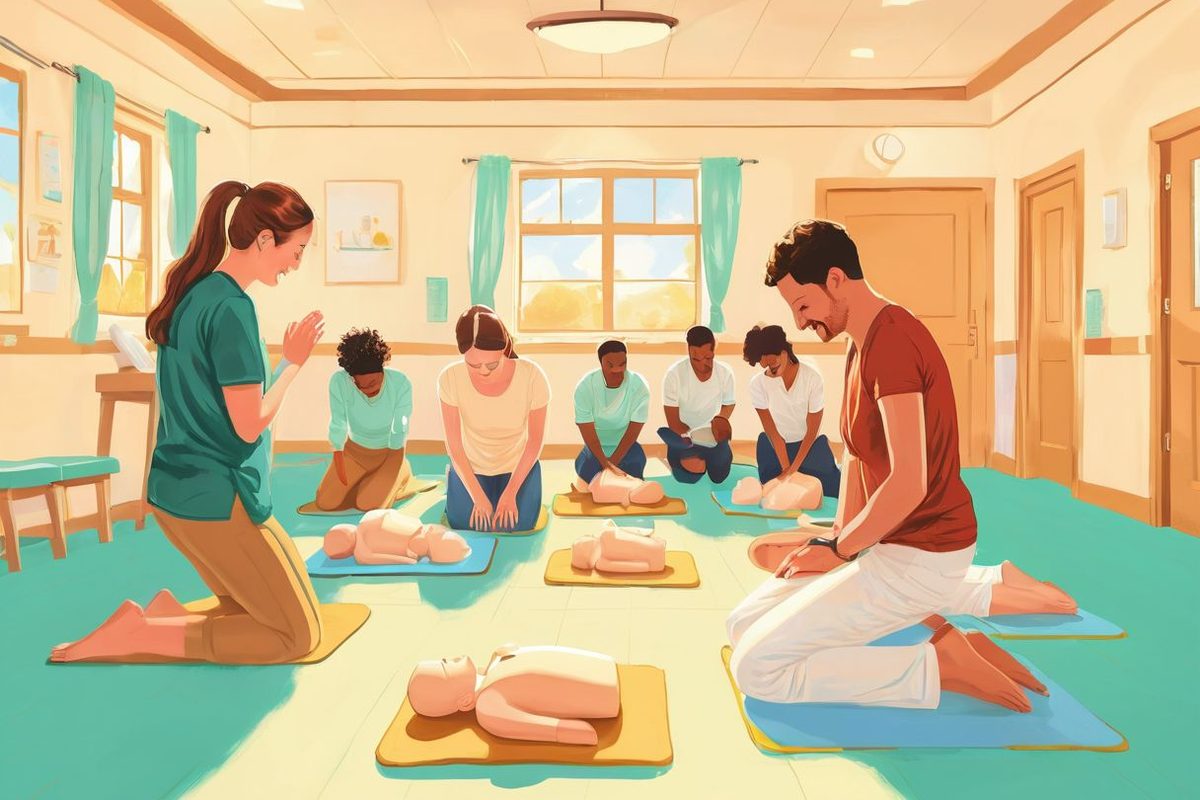
Free and low-cost first aid learning in the UK
Free ways to learn first aid and CPR in the UK, including Red Cross apps, St John Ambulance advice, RevivR, citizenAID and finding a defibrillator.
Read the guide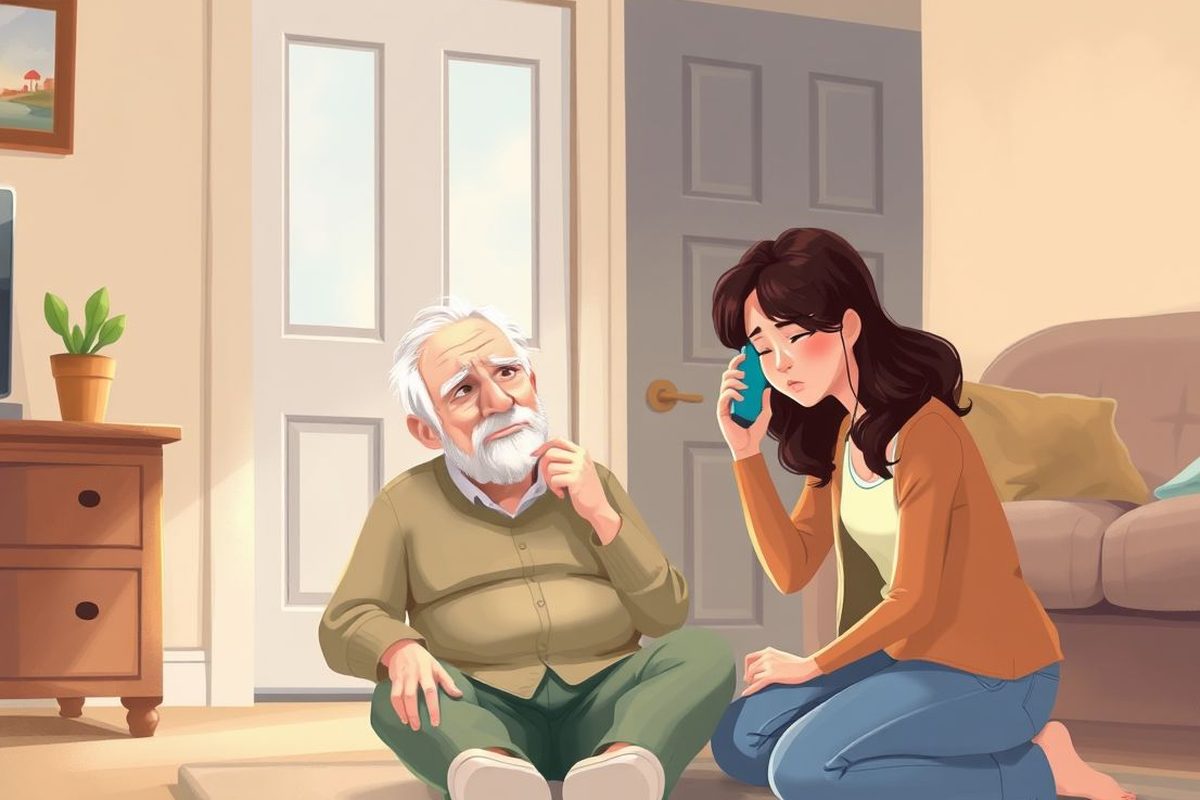
How to call an ambulance and what happens when you call 999
What to say when you call 999 for an ambulance, how to give your location, text and BSL options, and how to get ready for the crew.
Read the guide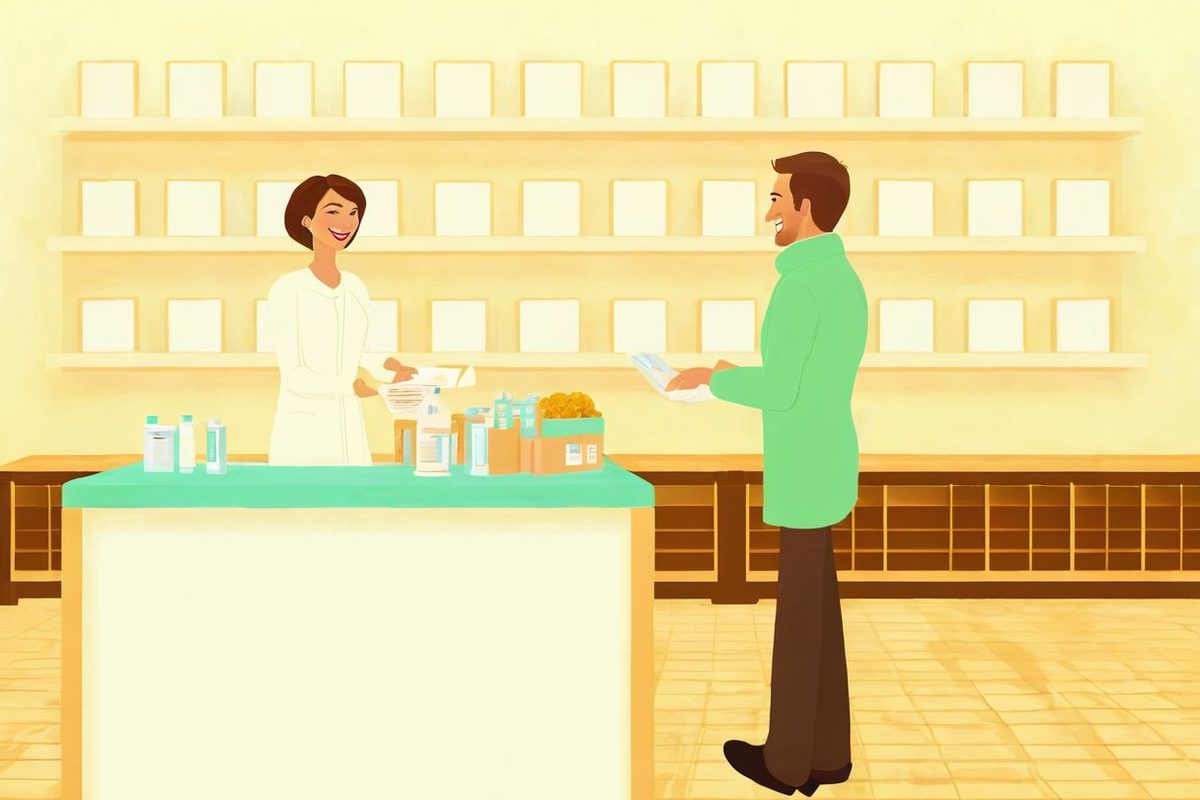
How to check side effects and interactions of your medicines
Where to check side effects and interactions of a medicine you have been prescribed, how to report a side effect, and when to ask a pharmacist.
Read the guide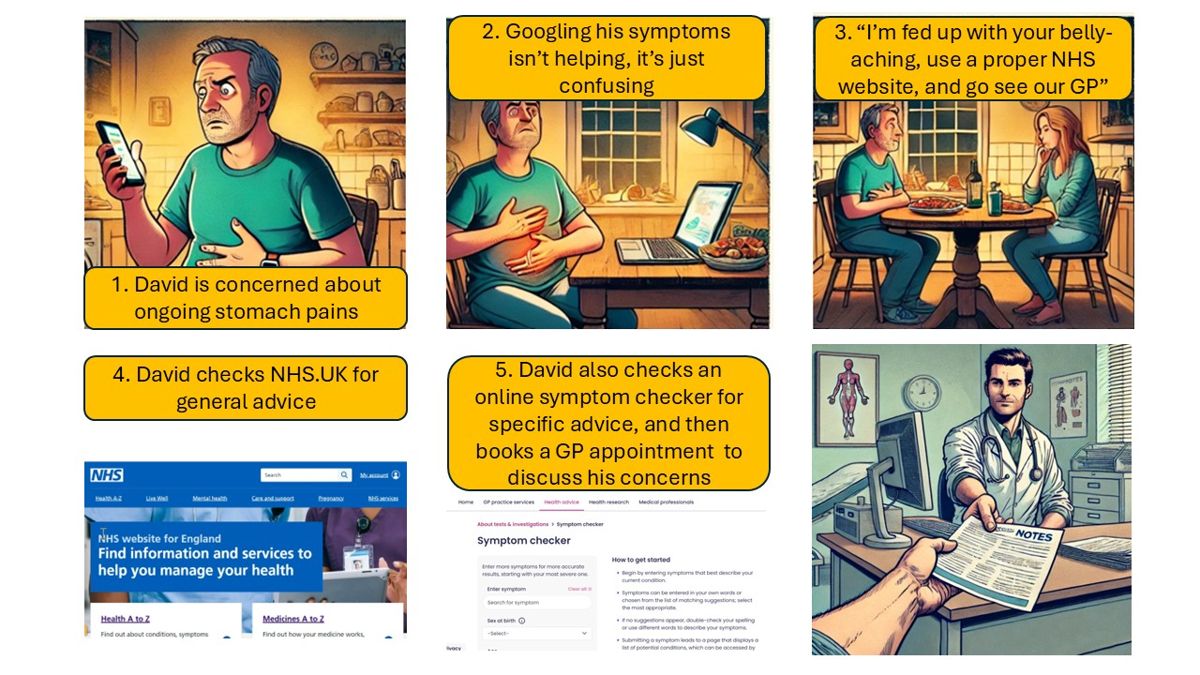
Online symptom checkers in the UK: what they can and can't do
How NHS 111 online checks your symptoms, what research says about symptom checker apps and AI chatbots, and how to use them safely.
Read the guide
Pharmacy, NHS 111, your GP practice or 999: which to use
A simple guide to choosing between a pharmacy, NHS 111, your GP practice, an urgent treatment centre and 999 or A&E, with examples.
Read the guide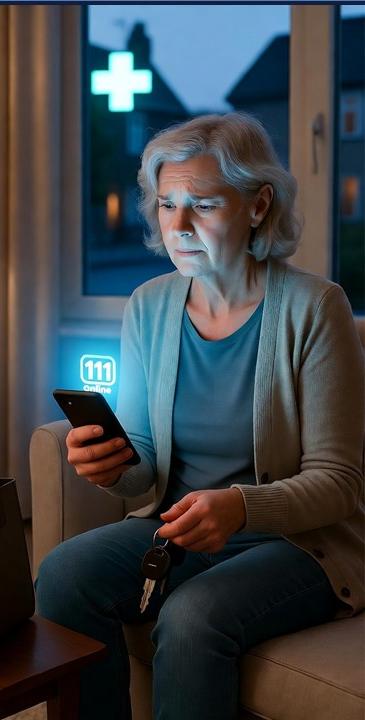
Run out of your medicine? How to get an emergency prescription from NHS 111 or a pharmacy
Run out of a regular medicine? How to get a 111 emergency prescription online or ask a pharmacy for an emergency supply, and what it costs.
Read the guide
What to keep in your home first aid kit
What to keep in a home first aid kit and medicine cabinet, how to store medicines safely, and whether to buy a ready-made kit.
Kit guideRead the guide