A good home kit has two parts: a first aid kit for cuts, burns and sprains, and a small stock of everyday medicines. Keep both in a high, lockable cupboard that is cool and dry. Check the dates every few months and take anything out of date to a pharmacy. A small ready-made kit plus a digital thermometer is an easy start.
The first aid kit
These items appear on NHS and St John Ambulance lists:
- plasters in a range of sizes, waterproof if possible
- sterile dressings (small, medium and large)
- bandages, including a triangular bandage that can be used as a sling
- disposable gloves, ideally latex-free
- cleansing wipes (alcohol-free) for the skin around a cut
- medical or adhesive tape
- tweezers and scissors
- eyewash solution
- a digital thermometer (see choosing a thermometer)
St John Ambulance also suggests a face shield or pocket mask for rescue breaths, and a foil blanket to keep someone warm.
The medicine cabinet
NHS local health services suggest keeping:
- Pain relief: paracetamol and ibuprofen, for headaches, aches and high temperatures. Ibuprofen is not suitable for everyone, for example some people with asthma, and should not be taken in pregnancy.
- Antihistamines: tablets for hay fever and mild allergic reactions, and cream for bites and stings. Some cause drowsiness, so ask a pharmacist.
- Oral rehydration sachets: these replace fluid and salts lost through fever, diarrhoea or vomiting.
- Anti-diarrhoea medicine: eases symptoms but does not treat the cause. Do not give it to children under 12; ask a GP or pharmacist instead.
- Indigestion remedy: antacid tablets or liquid.
- Sunscreen: the NHS advises at least SPF 30 and at least 4-star UVA protection.
Your own needs may differ. A pharmacist can tell you what makes sense for your household, including children’s versions.
Store medicines safely
The NHS says medicines are the most common cause of hospital admissions for poisoning in children under 5. So:
- Keep all medicines locked away, or high up out of sight and reach of children.
- Keep lids firmly closed. Child-resistant packaging is not child-proof: it only slows children down.
- Store button batteries well away from young children. They can cause serious internal burns if swallowed.
- Keep medicines in their original packs with the leaflet, so you can check the dose.
- Never take more than the stated dose. Ask a pharmacist before combining medicines.
You can check a medicine’s leaflet online if you have lost it.
Check dates and restock
First aid items expire too. St John Ambulance notes that dressings, antiseptics and gloves degrade over time.
- Pick a date to check your kit, for example when the clocks change.
- Throw away nothing down the sink or toilet. Take out-of-date medicines to a pharmacy for safe disposal.
- Replace anything you use straight away.
- Before Christmas and bank holidays, check you have enough of any regular prescribed medicines. Order repeat prescriptions early, as practices and pharmacies close.
- If you cannot see your repeat medicines in the NHS App, your practice may let you order them through another GP app instead. Patient Access works with practices that use EMIS, and Airmid with practices that use SystmOne. Both let you request repeat prescriptions. Ask your practice which one it supports.
If you run out while your GP practice is closed, see emergency prescriptions.
Getting ready for winter
Before the colder months, a little preparation helps:
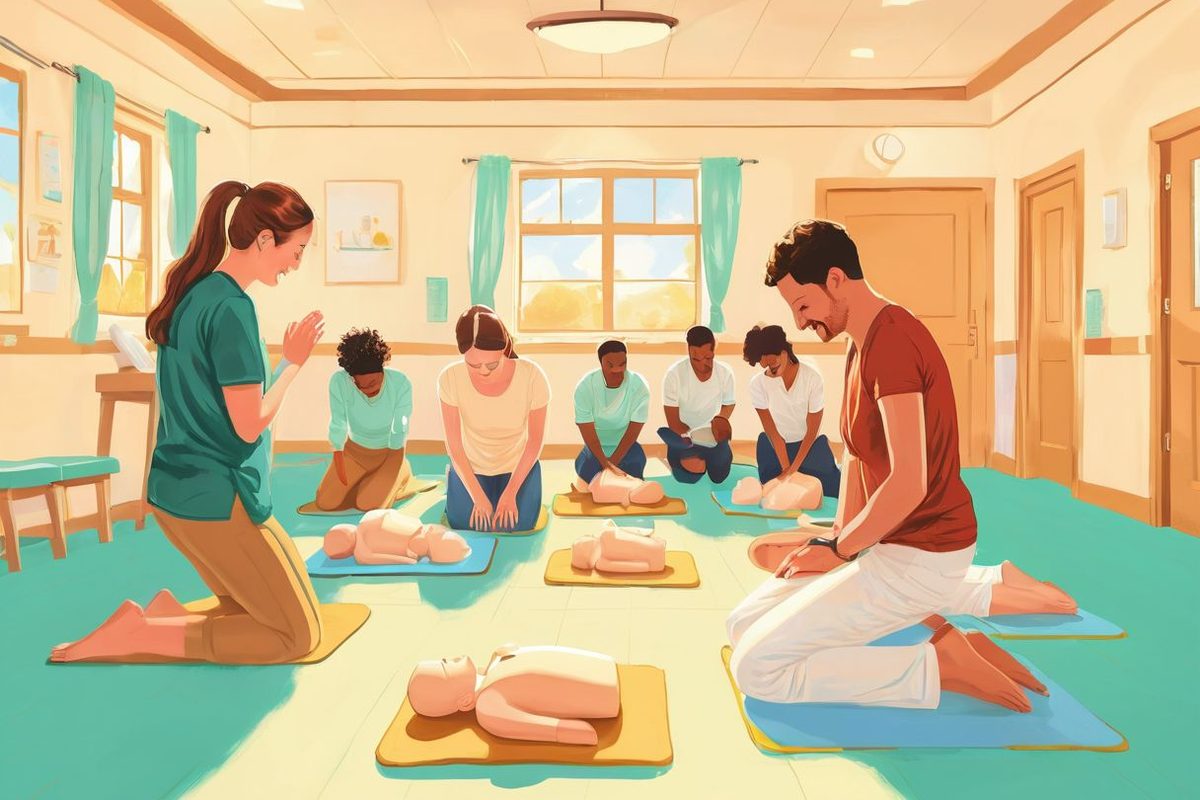
- Learn some first aid. Knowing what to do while you wait for help is worth more than any item in the box. Free short courses and apps are listed on our first aid courses page.
- Keep a digital thermometer with your kit, so you can check for a high temperature (see choosing a thermometer).
- Start with a pharmacist for minor illnesses. Pharmacists can advise on coughs, colds, sore throats and aches, and on over-the-counter medicines. In England, the Pharmacy First service also lets pharmacists give some prescription medicines without a GP appointment for 7 conditions: sinusitis, sore throat, earache, infected insect bites, impetigo, shingles and urinary tract infections in women. Each has age limits. See which NHS service to use.
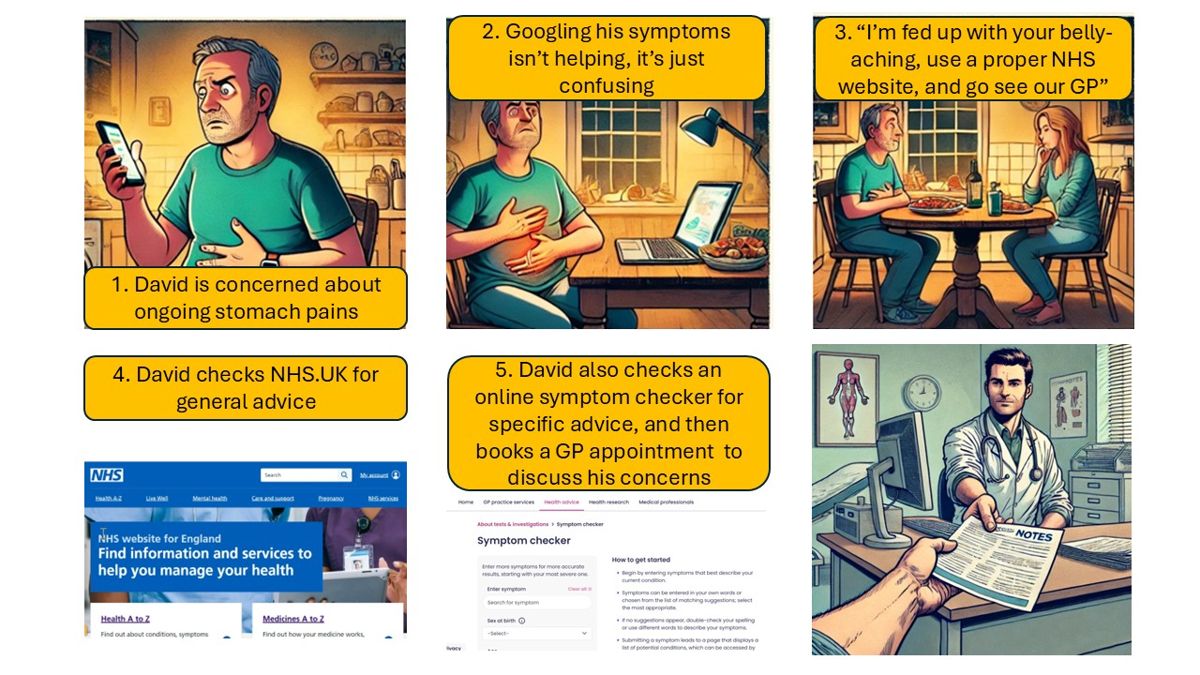
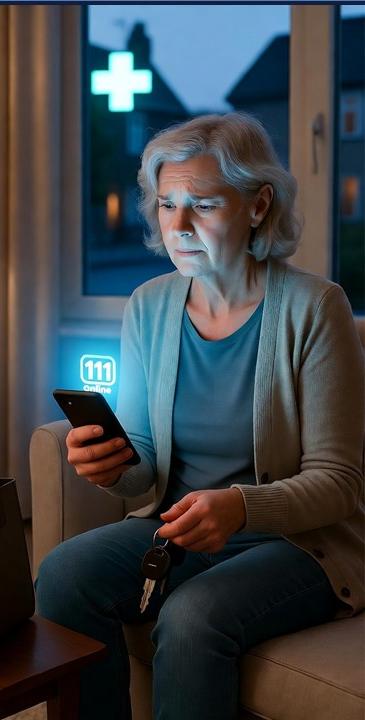
- Not sure how urgent it is? NHS 111 online asks about your symptoms and tells you where to go. Our guide to symptom checkers explains how to use it, and how to get the most from a GP appointment if you have looked things up first.
- You do not need a pulse oximeter in your kit. The medicines regulator, the MHRA, does not recommend using one at home unless a clinician has advised it and shown you how. If your GP or care team asks you to monitor your oxygen, see using a pulse oximeter, including how to give your readings over the phone.
Ready-made or build your own?
A ready-made kit is quick and has the basics in one bag. Small home kits often leave out a thermometer, tweezers and medicines, so add those.
Building your own lets you choose what you need. St John Ambulance suggests a clean, waterproof box. It costs a little more effort but suits families with particular needs.
Many people do both: buy a small kit, then add a thermometer, tweezers and a medicine box.
Our picks
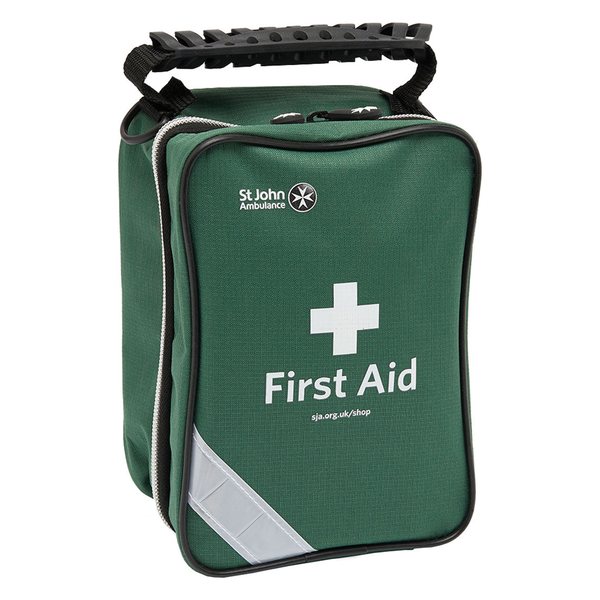
Small home kit
St John Ambulance Home First Aid Kit: see it on Amazon (affiliate link, opens in a new tab)
About £9 to £11
- Type
- Small home grab bag
- Key contents
- 20 plasters, 4 dressings, sling
- Missing
- Tweezers, tape, thermometer
- Sold by
- Amazon, the St John Ambulance shop and Safelincs
Affiliate link
Picture: St John Ambulance
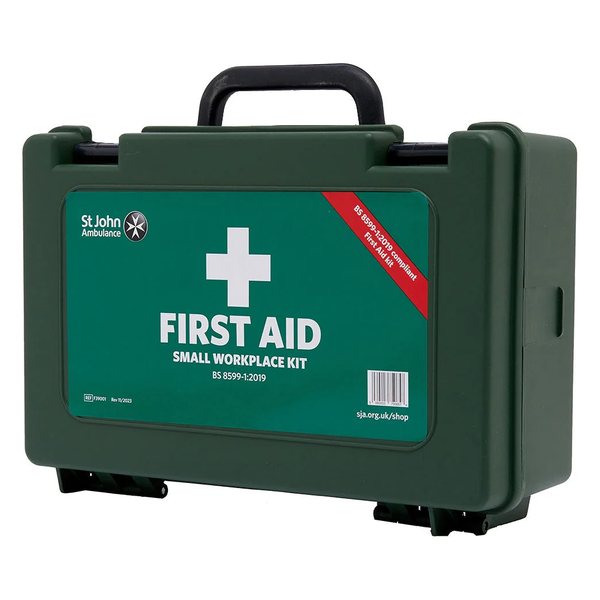
Fuller kit
St John Ambulance Small Workplace First Aid Kit (BS 8599-1:2019): see it on Amazon (affiliate link, opens in a new tab)
About £23 to £30
- Type
- Workplace kit (BS 8599-1)
- Key contents
- 40 plasters, burn dressing, foil blanket, face shield
- Missing
- Tweezers, thermometer
- Sold by
- Amazon and the St John Ambulance shop
Affiliate link
Picture: St John Ambulance
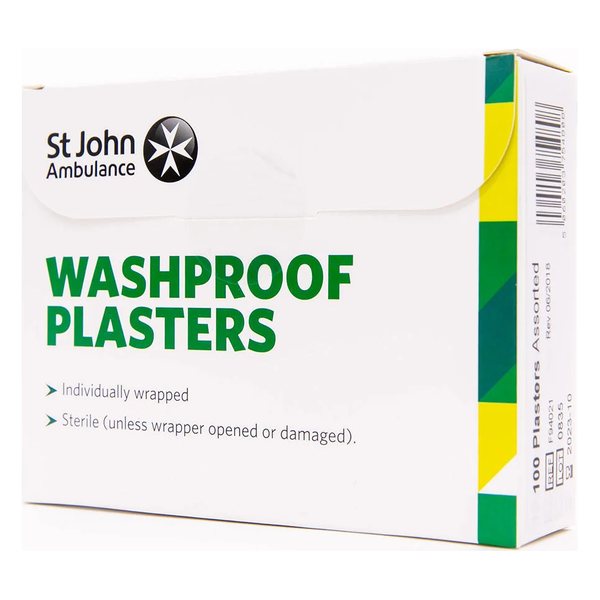
Restock pick
St John Ambulance Washproof Low Allergy Plasters (100 pack): see it on Amazon (affiliate link, opens in a new tab)
About £4 to £8
- Type
- Plaster refill pack
- Key contents
- 100 washproof plasters, mixed sizes
- Missing
- Not stated
- Sold by
- St John Ambulance shop
Affiliate link
Picture: St John Ambulance
Small home kit: St John Ambulance Home First Aid Kit
St John Ambulance Home First Aid Kit (opens in a new tab) (affiliate link) is a compact grab bag, sold on Amazon as well as by the St John Ambulance shop and Safelincs. It holds 20 washproof plasters, four sterile dressings, a finger dressing, a triangular bandage, four cleansing wipes, a pair of gloves and a first aid booklet. It has no tweezers, tape or thermometer, so add those. It costs about £9 to £11.
Fuller kit: St John Ambulance Small Workplace First Aid Kit
St John Ambulance Small Workplace First Aid Kit (opens in a new tab) (affiliate link) is built to the BS 8599-1 workplace standard, so it is more complete than most home kits. It comes in a hard case with a handle and a wall bracket, and includes 40 washproof plasters, a burn dressing, two eye pads, sterile dressings, a foil blanket, a face shield for rescue breaths, scissors, tape and 6 pairs of gloves. It suits a larger household or a car. It costs about £23 to £30.
Add a thermometer: Omron Eco Temp Basic
Omron Eco Temp Basic (opens in a new tab) (affiliate link) is a low-cost digital stick thermometer. A digital thermometer under the arm is what the NHS suggests for children under 5. Expect to pay under £10.
Restock plasters: St John Ambulance Washproof Plasters
St John Ambulance Washproof Low Allergy Plasters (opens in a new tab) (affiliate link) come in a 100-pack of mixed sizes, handy for topping up any kit. They cost about £4 to £8.
A kit is only as good as knowing how to use it. A short first aid course is worth more than any extra items.
When to get help
- Call 999 for a serious injury or illness, such as someone who has collapsed, is struggling to breathe or is bleeding heavily. See when to call 999.
- If you think a child or adult has swallowed something harmful, such as medicine or a cleaning product, call 999 or go to A&E. Do not try to make them sick, and do not give them anything to eat or drink. Take the packet with you if you can.
- If a child may have swallowed a button battery, take them to A&E straight away, even if they seem fine.
- Get medical advice straight away if a child is exposed to mercury from a broken glass thermometer.
- Use NHS 111 online or call 111 if you are not sure whether something swallowed is harmful, or how serious an injury is.
- Ask a pharmacist about minor injuries, which medicines to keep and safe disposal of old ones.