For most adults, a normal resting heart rate is between 60 and 100 beats per minute (bpm). Very fit people can have a lower rate. Your pulse should feel regular and steady. If it feels irregular, or you have a fast heartbeat with chest pain, breathlessness or fainting, get help straight away (see the end of this page).
How to check your pulse
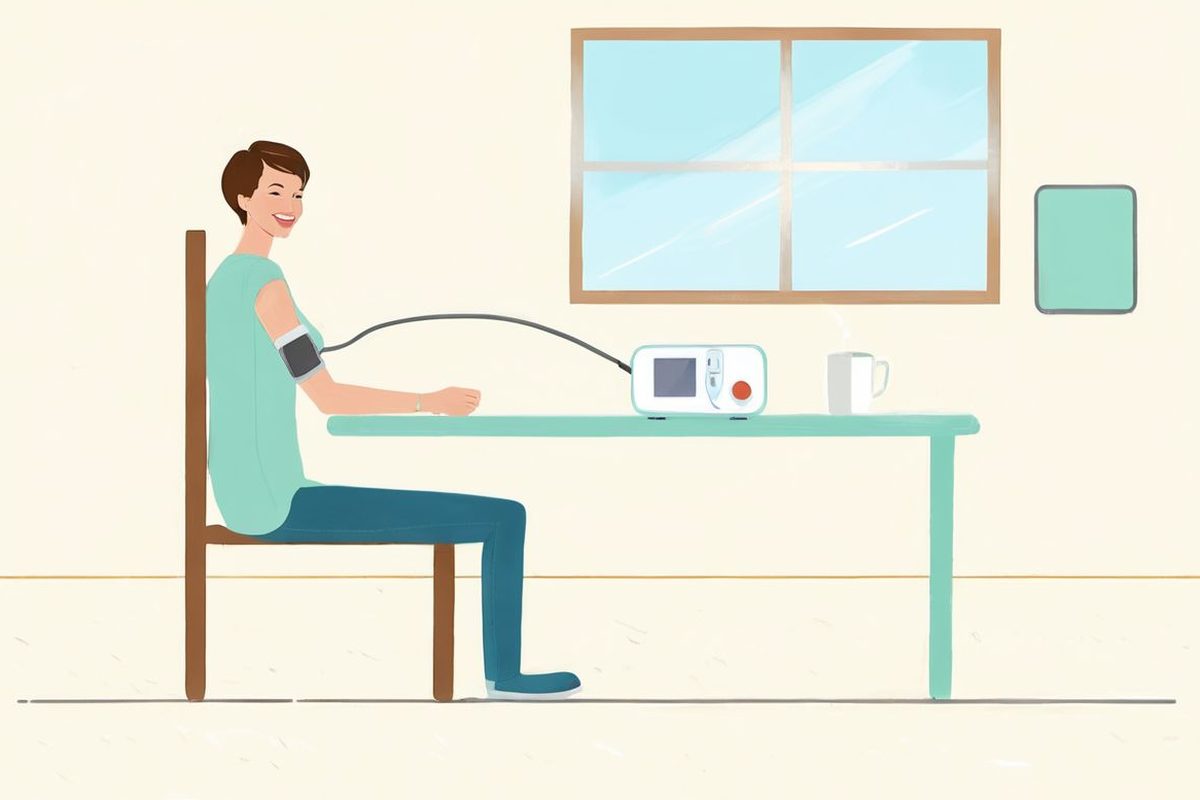
Check it when you are resting. Sit or lie down for 5 minutes first. Do not smoke or have caffeine beforehand. If you check regularly, do it at the same time each day.
The British Heart Foundation’s checking your pulse page has a short video showing how. eGPlearning, a GP education channel run by Dr Hussain Gandhi, also has a short video on checking your heart rate by hand:
 Play video: Check your heart rate (pulse) quickly, from eGPlearning (Dr Hussain Gandhi)
Check your heart rate (pulse) quickly
At your wrist
- Hold one hand out, palm up, with your elbow slightly bent.
- Place the pads of the index and middle fingers of your other hand on the inside of your wrist, at the base of your thumb.
- Press lightly. If you cannot feel anything, press a little harder or move your fingers slightly.
At your neck
- Sit or lie down.
- Place your index and middle fingers on the side of your neck, just under your jaw and beside your windpipe.
- Press gently.
Counting
- Use a clock or phone with a seconds display.
- First, feel the pulse for a few seconds and notice whether it is steady or irregular.
- Count the beats for 30 seconds and double the number. That gives your beats per minute.
- If your pulse feels irregular, count for a full 60 seconds instead.
Write the number down with the date and time. A record over a few days is more useful to your GP than a single reading.
What is normal
| Who | Resting heart rate |
|---|---|
| Most adults | 60 to 100 bpm |
| Very fit adults and athletes | can be lower than 60 bpm |
The NHS says extra or skipped beats (ectopic beats) are usually harmless. If you are not sure, ask your GP.
Does normal heart rate change with age?
The British Heart Foundation says what is normal is different for everyone, depending on age, health and sex. Women tend to have a slightly higher resting heart rate than men, because their hearts are slightly smaller and pump a little less blood with each beat. The 60 to 100 bpm range applies to adults of all ages.
There is no official UK chart of normal heart rate by age. Charts online that grade resting heart rate from “athlete” to “poor” for each age group are fitness charts, not medical guidance. If your resting rate is often outside 60 to 100 bpm and you do not know why, ask your GP practice.
What changes your heart rate
Your heart rate goes up and down through the day. That is normal. Things that can raise it include:
- exercise and activity
- stress and anxiety
- caffeine, alcohol and nicotine
- an infection or a high temperature
- lack of sleep
Things that can lower it include:
- being very fit
- some medicines, such as beta blockers
A heart rate above 100 bpm during exercise is expected. What matters more is your rate when you are resting.
If your watch or fitness tracker says your heart rate is high or low
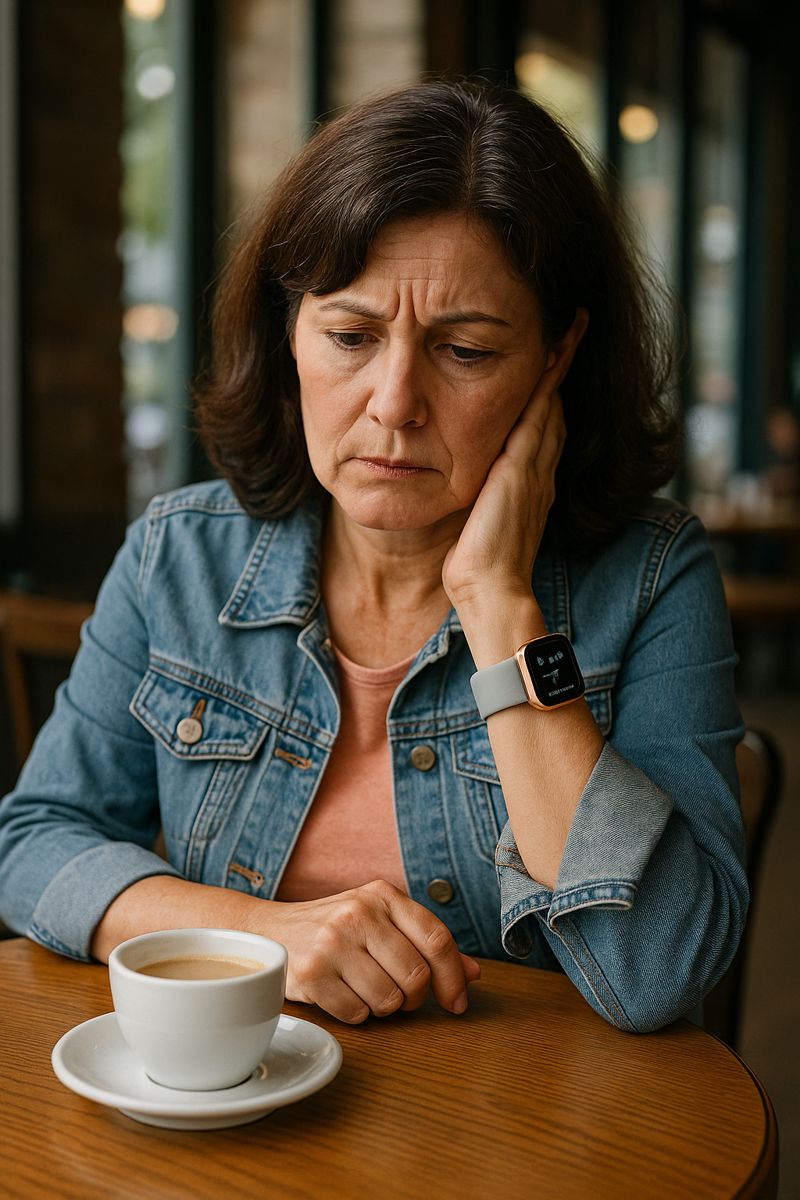
Wrist trackers use light sensors and give a rough picture over time. The British Heart Foundation says they can be less accurate depending on how tightly they fit, movement, sweat, temperature and lighting. It advises not to worry about a single unusual reading, but to speak to your doctor if it keeps happening.
- Sit down and rest for 5 minutes.
- Tighten the strap and wipe the sensor.
- Check your pulse by hand, as above, and compare.
- If the hand count is also outside 60 to 100 bpm at rest and you do not know why, contact your GP practice.
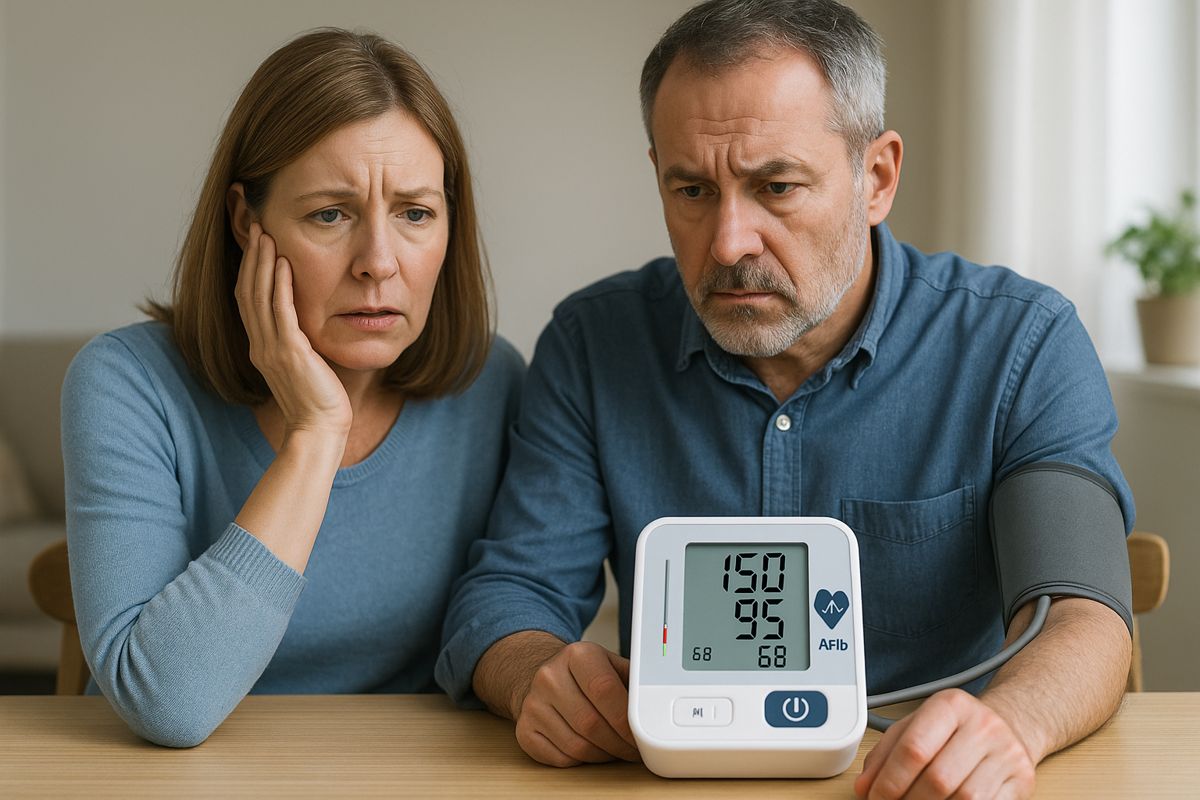
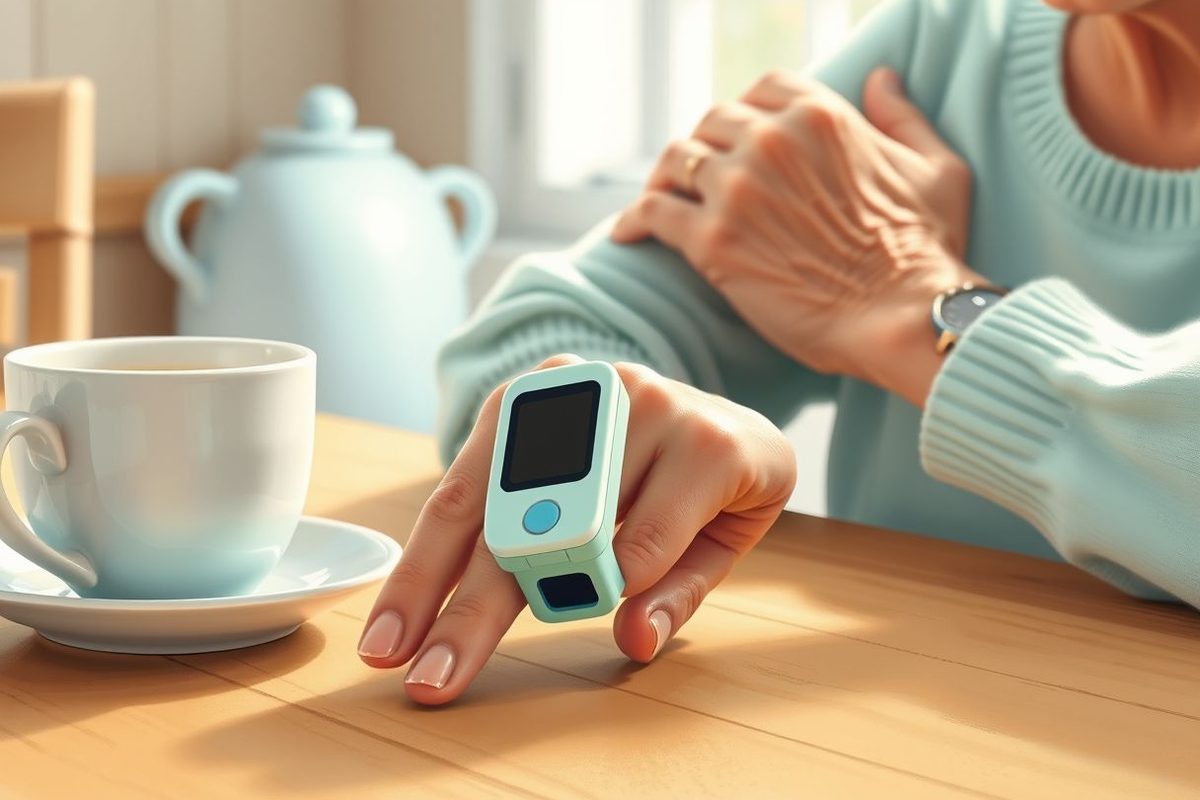
See what smartwatch heart alerts mean for irregular rhythm and ECG alerts. Blood pressure monitors and pulse oximeters also show your pulse rate.
How tracking your heart rate can help
A tracker worn day and night can show patterns that a single check cannot. The British Heart Foundation says trackers can:
- show how much, or how little, you move each day, which many people find surprising
- help you set activity goals and stay motivated
- track heart rate, steps and sleep, and show trends over weeks and months in their apps
It also gives some cautions:
- Trackers are not medical devices and cannot diagnose anything.
- Do not pay too much attention to a one-off reading. Look at patterns, and tell your doctor if unusual readings keep happening.
- Some people find that checking numbers all the time makes them anxious. If that is you, it is fine to stop and have your checks done at your GP practice or pharmacy instead.
If you are thinking of buying one, see our guide to smartwatches and trackers for heart health. It includes a low-cost fitness band.
Why an irregular pulse matters
An irregular pulse does not follow a steady rhythm. It can be a sign of a heart rhythm problem such as atrial fibrillation (AF). The British Heart Foundation says this is more likely if you are 65 or over. AF can be treated, so it is worth getting an irregular pulse checked even if you feel well.
Check your blood pressure too
Your pulse is only one of your heart numbers. The NHS says to get your blood pressure checked if you are 40 or over and have not had it checked for more than 5 years. The British Heart Foundation says healthy adults aged 40 to 74 should have it checked every 5 years. Many pharmacies in England offer free checks to people aged 40 or over. See checking your blood pressure at home.
When to get help
Call 999 or go to A&E if you have palpitations that do not go away, or a fast, slow or irregular heartbeat with any of these:
- chest pain
- shortness of breath
- fainting, or feeling faint, dizzy or lightheaded
- sweating, or feeling or being sick
- a severe headache, weakness or numbness on one side, blurred vision, confusion or difficulty speaking
Do not drive yourself to A&E. Ask someone to take you, or call 999.
Ask for an urgent GP appointment, call 111 or use NHS 111 online if you had these symptoms but they have now stopped.
Contact your GP practice if:
- your pulse feels irregular
- your heart rate is fast at rest for no obvious reason
- your heart rate is under 60 bpm and you often feel very tired or low on energy, with no obvious reason
- palpitations keep coming back, are getting worse or last more than a few minutes
- you have a heart condition or a family history of heart problems and are worried
For non-urgent questions, you can talk to a cardiac nurse on the British Heart Foundation Heart Helpline on 0808 802 1234 (free).